How Often to Follow Up With Real Estate Leads: A Practical Timing Guide
Most real estate agents already know what to say to a lead. The gap that kills conversion is when and how often they say it. This guide gives you exact timing rules for every lead source, every temperature level, and every pipeline stage so you can stop guessing and start closing.
Key Takeaways
Real estate lead follow up lives and dies on cadence. Here is what the data supports:
- Respond to new online real estate leads with a phone call within 5 minutes. Responding within five minutes boosts conversion chances by 391% compared to waiting even 30 minutes.
- Aim for 8 to 12 touches in the first 10 days across phone calls, text messages, and email. 80% of sales require five or more follow-up touches, yet 44% of sales reps give up after just one follow up attempt, so the goal is converting leads without over-contacting them.
- Follow up frequency must change by lead source (portals, PPC, referrals, open houses) and by lead temperature (hot, warm, cold leads). A Zillow inquiry and a sphere referral need different rhythms.
- After the initial 10 to 14 days, taper cadence to weekly, then monthly contact for up to 12 to 24 months or until the lead converts or opts out.
- A reliable follow up system or CRM like Sure Send is essential to track timing, communication preferences, and behavioral triggers, while supporting a clear follow up plan and lead segmentation so you avoid over- or under-contacting anyone.
Why Follow-Up Frequency Matters More Than Scripts
Most agents spend hours perfecting their scripts. Fewer than half measure whether they are calling at the right time or often enough. Research shows that consistent timing doubles or triples conversion rates even with average messaging, because the agent who responds first and stays present wins the first conversation. In the real estate industry, poor cadence kills even the strongest offer.
This article stays focused on cadence, not content. You will not find templates for what to say here. What you will find is a precise breakdown of how often to follow up with real estate leads at every stage, for every source, and for every temperature level. If you already have scripts, this is the missing piece.
Sure Send’s “Win the Day” coaching loop ties specific follow up activity levels to actual conversion rates. Agents using it see the dollar impact of consistency because the system calculates a value for every call and conversation from their own history. That feedback loop turns follow up frequency from a guess into a measurable input for cadence effectiveness.
Response Timing: The First 5 Minutes and First 24 Hours
Online real estate leads go to multiple agents at once. Responding within five minutes increases connection likelihood by 100 times compared to waiting an hour. Leads contacted within the first hour are seven times more likely to qualify than those reached later. The math here is not subtle: every minute you wait, other agents are calling.
Immediate Actions (First 5 Minutes)
- Minute 0 to 5: Make your first phone call. If the lead came in from a portal or PPC ad, call before you do anything else.
Follow-Up Attempts Throughout Day 0
- Minute 10 to 15: If no answer, send a text message and a personalized email referencing the specific property or search they were looking at. Including specific details in messages boosts credibility and trust, and the outreach should sound personal rather than scripted.
- Hour 2 to 4: Make a second call attempt. Leave a voicemail if you hit one. A second call attempt the same day catches leads who were busy during the first try.
- End of Day 0: Send one more follow up message (text or email) with a relevant piece of information, like a comparable listing or a market update.
After-Hours Coverage
Evenings and weekends require coverage. Many portal leads come in after hours. If your first response waits until the next business day, you can lose the lead to the agent who texted at 9 PM. Coverage options include a team member, an ISA, or AI-powered instant replies. Sure Send can auto-create a Take Action task queue the moment a new lead appears, preventing slow responses regardless of the hour.
Create urgency by highlighting property scarcity when you reach out. A message like “Three other buyers viewed this home today” is more compelling than “Let me know if you have questions.”
Core Rule: Front-Load Follow Ups, Then Taper
Effective follow up requires 8 to 12 touches over 2 to 4 weeks. The basic shape of an effective lead follow up cadence is dense in the first 10 to 14 days, then gradually spaced out. This is not guesswork; the first 10 days after inquiry are critical for engagement, and only 8% of prospects act within 30 days of initial contact. Front-loading catches the window of highest intent.
The following table summarizes the recommended follow-up cadence:
Period | Frequency | Approximate Touches |
|---|---|---|
Days 1 to 5 | Daily or twice daily | 6 to 8 |
Days 6 to 14 | Every 2 to 3 days | 3 to 4 |
Weeks 3 to 6 | Weekly | 3 to 4 |
Months 2 to 24 | Monthly contact | 1 per month |
The purpose of front-loading is to reach prospects when intent is highest and their buying timeline is still active. Tapering avoids fatigue and respects communication preferences.
The rule is simple: never go silent until the lead converts, clearly opts out, directly requests a pause, or chooses to decline further contact. Consistency in follow up is what keeps you top-of-mind and increases your chances of conversion.
Segment by Lead Temperature: Hot, Warm, and Cold Leads
Lead temperature is defined by three observable factors: intent (they want to buy or sell), capability (financial readiness), and timeline (how soon, including whether they recently moved or expect to relocate soon). A hot lead shows all three. A warm lead shows two. A cold lead shows one or none.
Concrete Behaviors That Signal Temperature
The following bulleted list outlines behaviors that signal lead temperature:
- Hot leads: replied to your text, scheduled a showing, asked about a specific property, got pre-approved this week. Follow up frequency for hot leads should be every 1 to 2 days via phone or text.
- Warm leads: opened multiple emails, saved properties on your home search, visited your site twice but have not replied. Warm leads should be contacted every 1 to 2 weeks, or every 3 to 4 days during the initial front-load period.
- Cold leads: registered once, no engagement since, timeline is far out or unknown. Cold leads need follow up once a month after the front-load period ends.
Temperature changes over time. A cold lead who suddenly starts opening every email and browsing listings has heated up. A hot lead who stops returning calls has cooled off. Your cadence should adapt accordingly.
Segment leads into hot, warm, and cold categories in your CRM, and update those tags as behavior shifts. Sure Send’s Smart Lists let you filter by behavioral triggers like property saves, return visits, and email opens so you can see temperature shifts in real time and adjust frequency.

Adjust Cadence by Lead Source
The right follow up frequency depends heavily on lead source. Different types of inbound intent matter here: a buyer who submitted an inquiry on Zillow about a specific property needs a different rhythm than a name from a purchased cold list. Higher-intent lead sources justify aggressive early follow ups. Lower-intent sources need slower cadences to avoid feeling like harassment.
Sure Send lets you assign different default cadences by lead source, so you can apply source-based rules inside the system and have portal leads, sphere contacts, and cold leads each follow their own timing pattern out of the box. The next several sections break cadence down by specific lead sources with concrete timing recommendations.
Portal Leads (Zillow, Realtor.com, Redfin, etc.)
Portal leads are property-specific, time-sensitive, and usually sent to multiple agents simultaneously. These require the strictest speed and highest early frequency of any lead type.
14-day example cadence for portal leads:
- Day 0: Call within 5 minutes. If no answer, text within 10 minutes, email within 15 minutes. Make a second call 2 to 3 hours later. (3 to 4 touches)
- Days 1 to 3: One call plus one text or email per day. Reference the property they inquired about and mention if new listing options match their criteria. (6 to 8 cumulative touches)
- Days 4 to 5: One call or text per day. (8 to 10 cumulative touches)
- Days 6 to 14: Follow up with real estate leads every 3 days. Switch to text and email with links to similar properties, and use social media retargeting or light touchpoints as a secondary channel. (12+ cumulative touches)
After Day 14 without contact, move the lead into a longer-term weekly, then monthly nurture schedule. Sure Send can detect a new portal lead source and instantly trigger a high-intent follow up sequence without manual setup, but keep the focus on the property and the lead’s immediate needs.
PPC and Website Registration Leads
PPC and IDX home search site leads carry high intent but are sometimes earlier in the research phase than portal leads. These new leads may have searched “homes for sale in [city]” rather than inquiring about a single property.
Suggest a slightly softer initial cadence: 6 to 8 touches in the first 10 days. Day 0 call, same-day text, plus multiple follow ups in the first 3 days. If the lead is actively returning to the home search site, for instance revisiting a key pricing page or viewing properties and saved searches, keep frequency higher at every 1 to 2 days. If they go dormant, stretch to weekly.
Drip campaigns send automated emails over time to nurture leads who are not yet ready to engage. These work well for PPC leads who registered but have not responded, delivering relevant content like market updates and new listing alerts on a consistent schedule.
Sure Send’s proprietary home search platform and AVM data can detect renewed interest through return activity and automatically re-accelerate cadence when behavior spikes.
Open House, Yard Sign, and Inbound Phone Leads
These leads have already interacted with you directly, whether they walked into your open house, called the number on your sign, or dialed your office. That human touch makes them warmer and more responsive than anonymous online registrations, and even small personal touches after the event can improve response. Open house lead automation studies show manual follow up produced about 18% response rates, while fast, automated SMS plus structured follow up pushed response rates to roughly 37%.
Same-day follow up after the event is non-negotiable. A call or text within a few hours, then another attempt the next day if needed. For interested or undecided visitors, follow up every 2 to 3 days for the first 2 weeks, then weekly if they stay engaged but are not ready to act.
Log each visitor or caller immediately in your follow up system, and a handwritten or quick personal note can help preserve details for later follow up. Without that step, open house leads get one call and vanish from your pipeline, joining the pile of missed opportunities.
Sphere, Referral, and Past Client Leads
NAR reports that REALTORS gain about 20% of business from repeat clients, and 64% of leads will work with an agent by referral. These leads often start warmer, and the client experience with you can shorten the path to conversion for referrals and past clients, but they still benefit from a clear follow up schedule. Referrals and past clients are your warmest target audience by default.
Recommended cadence:
- Day 0: Contact within the same day of the referral. A phone call is ideal for relationship building.
- Days 1 to 7: Two to three follow ups over the first week if you do not connect.
- Weeks 2 to 5: Weekly touch points if there is genuine interest.
- After Week 5: Monthly until they decide or clearly ask you to pause.
Sure Send can tag these as “VIP” or “Referral” and surface them in Smart Lists so they receive higher-priority, more personal phone calls instead of generic mass follow up messages. Happy clients who refer new customers to you deserve a different cadence than a cold internet registration, and these relationships help grow referrals and repeat business over time.
Expireds, FSBOs, and Other Prospecting (Cold Leads)
Expireds and FSBOs are outbound, cold leads where relationship and trust are low at first, so treat outreach carefully and respectfully. These are potential clients, but they did not ask you to call.
- Days 1 to 14: 4 to 6 touches over 10 to 14 days using mostly phone calls and light texts. Not daily blasts; space them every 2 to 3 days.
- Weeks 3 to 8: Every 7 to 10 days. Send value-driven follow ups, providing useful information before asking for a decision: market updates, pricing trends in their neighborhood, or a comparable sold property.
- Month 3 onward: Every 30 to 60 days. Long-term leads benefit from monthly updates on market changes or relevant information.
Mark hard “no” responses in your follow up system immediately so those contacts are removed from future cadences and do not receive further phone calls or messages. Persistence is key to real estate follow up as many prospects convert after multiple touches, but persistence toward someone who said “stop” is a compliance risk.
Adapting Frequency to Communication Preferences
Frequency tolerance is different across phone calls, text messages, and email. Clients often prefer a specific communication method, and that preference should be established early on, especially since some rely on one channel more than others. Ask during your first conversation: “Do you prefer text, phone, or email?” Then bias your cadence toward that channel while still using occasional secondary channels for channel diversity.
Below is a table summarizing rough guidelines for communication frequency by channel:
Channel | Early-Stage Frequency | Notes |
|---|---|---|
Text messages | Every 1 to 3 days | Highest open rate (~98%), keep messages short |
Every 3 to 5 days | Personalized emails can improve open rates by 26% | |
Phone calls | 1 attempt per day for 2 to 3 days, then every few days | Daily unsolicited calls feel heavy for most people |
Personalized communication increases lead engagement by 20%, and personalized follow-ups can lead to a 50% increase in conversion rates. Using CRM notes can enhance message personalization; even referencing a lead’s neighborhood or school district preference turns a generic check-in into relevant content. A lack of response on one channel is usually a cue to switch channels instead of pushing the same method.
Sure Send stores communication preferences at the contact level and can automatically route follow ups through the preferred channel while suppressing others if needed.
Using Behavioral Triggers to Change Cadence in Real Time
Behavioral triggers are lead activities like email opens, link clicks, property favorites, return site visits, and showing requests. Modern cadences adjust based on prospect engagement signals rather than following a rigid calendar, including when a lead makes another visit to a key property or search page.
High engagement (multiple property views in 24 hours, repeated email opens) should automatically move a lead into a higher-frequency “hot” cadence. AI can tailor messages based on lead behavior patterns, making each outreach feel timely rather than random. These are game changers for real estate teams managing hundreds of leads.
When signals show fatigue (no opens, no clicks, ignored calls), reduce frequency by stretching follow up spacing to weekly or monthly. This is where delivering consistent value matters most: each touch should provide something useful, not just “still interested?”
Sure Send can automatically adjust cadence based on these triggers, pausing or escalating touches without manual re-assignment by the agent, and that kind of behavioral positioning helps you appear timely rather than intrusive.
How Many Touches Before You Change Strategy?
“Change strategy” means shifting from aggressive attempts to contact into long-term nurture, or sending a breakup message and stepping back. The goal is to improve the odds of converting the lead over time, not just increase touch count. 50% of real estate sales occur after the fifth contact. Most real estate leads deserve at least 8 to 12 touches in the first 30 days across different communication channels before concluding they are unresponsive for now.
After repeated no-responses, send a softer, expectation-setting message: “I will check in once a month with market updates for your area. If your timeline changes, I am here.” Then move them into low-frequency nurture instead of deleting them. That monthly track should come from a helpful place and feel like you are coming back with useful updates, not pressure. Nurturing potential clients over months is how real estate professionals turn silence into eventual closings.
Clear negative responses or a formal opt out request should immediately stop all outreach to stay within TCPA regulations and protect your brand reputation.
Balancing Persistence, Relevance, and Lead Fatigue
Too few follow ups waste your lead generation budget. Too many irrelevant touches cause lead fatigue and increase opt out rates. A multi-channel approach is crucial in real estate lead follow up strategies because alternating calls, texts, and emails gives you different ways to stay in touch without creating fatigue or making it feel like you are blowing up someone’s phone.
Each follow-up should provide value beyond asking to buy or sell. Consider these best practices:
- Share a new listing in their target area.
- Provide a relevant pricing trend or market update.
- Offer social proof, such as a recent client success story.
- Mix in market updates, neighborhood data, or a LinkedIn connection to stay top-of-mind through different communication channels.
Used consistently, those relevant updates can improve conversion efficiency and support stronger revenue over time. Successful lead nurturing balances persistence with respect for the prospect’s timeline.
Send value-driven follow ups before asking for a decision. If your last three touches were all “ready to schedule a showing?”, the fourth will get ignored. Vary your outreach to maintain engagement.
Sure Send surfaces engagement and unsubscribes at the contact level so you can see when your cadence is edging toward over-contact and adjust. That visibility is what separates an effective follow up from a spammy one.
Building a Simple, Repeatable Follow-Up System in Your CRM
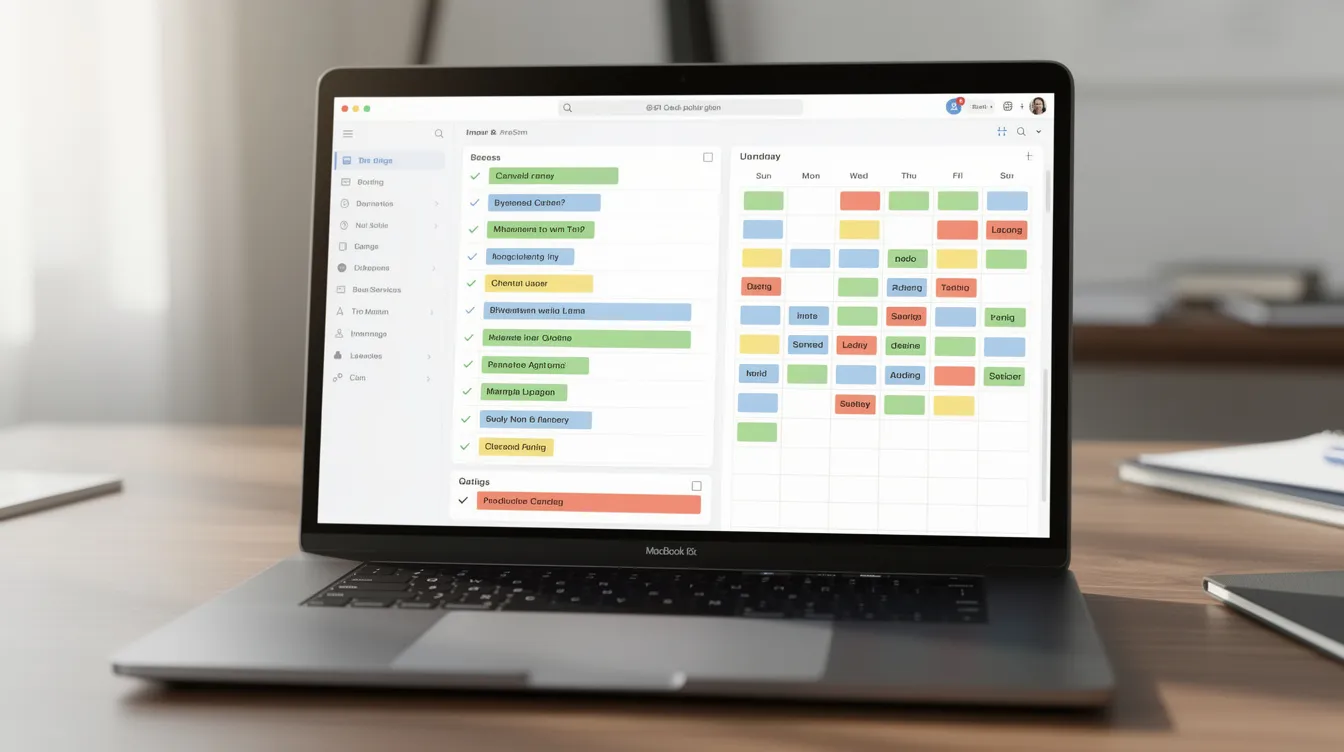
Every real estate agent or team should define 3 to 5 standard cadences as a documented follow up plan and load them into a CRM system:
- High-intent online (portal, PPC): 8 to 12 touches in 10 days, then weekly, then monthly.
- Open house / sign call: Same-day start, every 2 to 3 days for 2 weeks, then weekly.
- Referral / sphere: Same-day start, 2 to 3 touches first week, weekly for a month, then monthly.
- Cold outbound (expired, FSBO): 4 to 6 touches in 14 days, then every 7 to 10 days, then monthly.
- Long-term nurture: Monthly contact with market updates, new listing alerts, and relevant content for up to 24 months.
Good segmentation keeps the right leads in the right cadence.
CRM systems track interactions with leads effectively, and CRM systems allow setting reminders for timely follow-ups. Effective CRM usage can increase response rates by 30 to 50%. Set reminders, build automated sequences, document consent for automated calls or texts, honor opt out requests, and track key metrics: speed to first response, for instance number of calls per lead, touches per appointment, and conversion rates by cadence. These numbers tell you what is working and what needs adjustment.
Automated follow-ups can save agents time, but automation is just the beginning. The right strategy combines automated sequences with a human touch for high-priority leads. Built-in CRM functions and related services should keep agents on top of follow ups without juggling multiple apps. Drip campaigns can nurture leads with automated email sequences while the dialer handles live outreach, all from one platform.
Your real estate business will grow when your follow up system runs whether you feel like it or not. Build trust through consistency, not heroic one-off efforts. More deals close when agents maintain multiple channels of contact over months, not just days. That is where sales happen, and that is what separates agents who close from most agents who do not.
Strengthening relationships with new customers and past clients through consistent, well-timed follow up is the foundation of sales efficiency and long-term cash flow in any real estate business.
FAQ
How long should I keep following up with an unresponsive real estate lead?
Most buyer and seller cycles run 4 to 12 or more months. Staying in touch with low-frequency nurture (monthly or quarterly) for 12 to 24 months is reasonable and supported by data. Only 8% of prospects act within 30 days of initial contact, which means the vast majority of your pipeline is on a longer timeline than you expect.
Intensity should drop after the first 30 days. Move from frequent calls and texts to occasional check-ins and market updates, always with an easy opt out. Building relationships over that extended period is what turns “not right now” into “let’s talk.”
Respect explicit “not interested” replies by stopping further outreach. Simple silence usually means “not now,” not “never.” Many real estate professionals report that leads who were silent for 6 to 12 months eventually re-engaged when their circumstances changed.
What is “too often” when it comes to phone calls and texts?
Avoid multiple unsolicited calls per day to the same lead unless they explicitly invited that level of contact (for example, during active offer negotiations). During early stages, one call attempt per day for 2 to 3 days is acceptable, then shift to every few days. For text messages, every 1 to 3 days at first is usually safe if each message is relevant.
Watch for signs of irritation: short replies, “please stop,” or zero engagement across multiple touchpoints. These are cues to slow cadence or change channels. A lead who ignores three calls may respond to a well-timed text or a personalized email with detailed information about a property matching their search criteria.
Should I restart a high-frequency cadence if a cold lead suddenly clicks an email or visits my site?
Yes. A fresh engagement event (click, search login, property favorite) is a strong reason to temporarily increase frequency again. That renewed interest is a signal that their timeline may have shifted.
Run a short reactivation mini-cadence: a same-day call, a same-day text, and 2 to 3 additional touches over the next week if there is no response. This is not starting over from scratch; it is a focused burst that matches the lead’s demonstrated behavior.
Sure Send can automatically create these reactivation tasks based on behavioral triggers so opportunities are not missed. The system detects the activity spike and generates Take Action tasks without waiting for you to notice.
Do buyers and sellers need different follow-up frequencies?
Both need strong initial contact, but sellers often require slightly longer decision windows and may appreciate less frequent but more scheduled follow ups. Weekly check-ins with market data, pricing trends, and comparable sales work well for potential seller leads.
Active buyers in a tight market may need very frequent contact once engaged, with multiple sales touchpoints per week tied to new listing alerts and showing schedules. The pace of the market dictates the pace of your outreach.
Tag each contact as buyer, seller, or both in your follow up system so buyer and seller cadences with appropriate frequency can run in parallel when necessary. Free trials of CRM platforms like Sure Send let you test these workflows before committing.
How do I know if my current follow-up frequency is working?
Track three practical steps worth of data: contact rate within 24 hours, appointment rate per 10 new leads, and conversion rates by lead source. If most leads never receive more than 2 to 3 touches, your cadence is too short. If many contacts opt out or complain, your frequency is likely too high or poorly targeted.
Platforms like Sure Send calculate a “value per call” and show conversion rates by cadence so you can tune timing based on actual results rather than guesswork. When you can see that leads receiving 8 or more touches convert at three times the rate of leads receiving fewer than 3, the case for consistent follow up stops being theoretical and starts affecting your bottom line.
Use these response rates and key metrics to refine your cadences quarterly. The goal is not to follow a formula forever but to leverage technology and your own data to find the frequency that keeps you in front of your target audience without crossing the line into over-contact.

Written by