


Past Client Outreach: What to Say When Years Have Passed
You open your CRM, scroll past dozens of names, and stop on one you haven’t called in two years. Maybe it’s been longer. You remember this past client well, or at least you did, and now you’re stuck wondering what to say to a past client you have not talked to in years without sounding strange or like you’re only calling for business.
Here’s the direct answer. Yes, mention the time gap, but keep it to one honest sentence and move on, never turning it into an apology tour. The real skill behind a reconnecting with old clients message isn’t clever wording, it’s matching your opener to what you actually remember, whether that’s the home you sold them, a market shift affecting their street, or simply the relationship itself. This guide gives you exact scripts for phone, email, and text across those three situations, the rules that make any re-engagement opener sound credible, a follow-up plan for silence, and the mistakes that kill a message before it gets a reply.
Once that first message goes out, the harder job is making sure the next multi-year gap never happens again, which is where a tool like Sure Send, an AI-native CRM built for real estate and service professionals, starts to matter.
Key Takeaways
The right opener depends on what you remember about the client, not on how long it’s been since you spoke.
Acknowledge the gap in one sentence and never turn it into a guilt-laden apology.
Lead every message with something relevant to them specifically, never a pitch or discount.
End with one easy, low-pressure question they can answer in five seconds.
A follow-up system, not memory alone, is what keeps clients from going cold again.
What to Say When You Remember the Past Transaction
Yes, you should name the time gap, but when you remember real details about a past client’s transaction, you don’t need to lean on an apology, you can lead with memory instead. Mentioning the client’s street name, their closing date, or a detail about their move does two things at once: it proves the outreach is personal, and it answers the unspoken question of whether you just mass-texted your whole database. This matters even more once years have passed, because a vague “hope you’re doing well” reads like a form letter, while a specific memory reads like an agent who actually paid attention. The scripts below each use one concrete fact as the opener, then ask something low-pressure, so the past client can respond without feeling pulled into a sales conversation.
Phone, Email, and Text Openers Based on Shared History
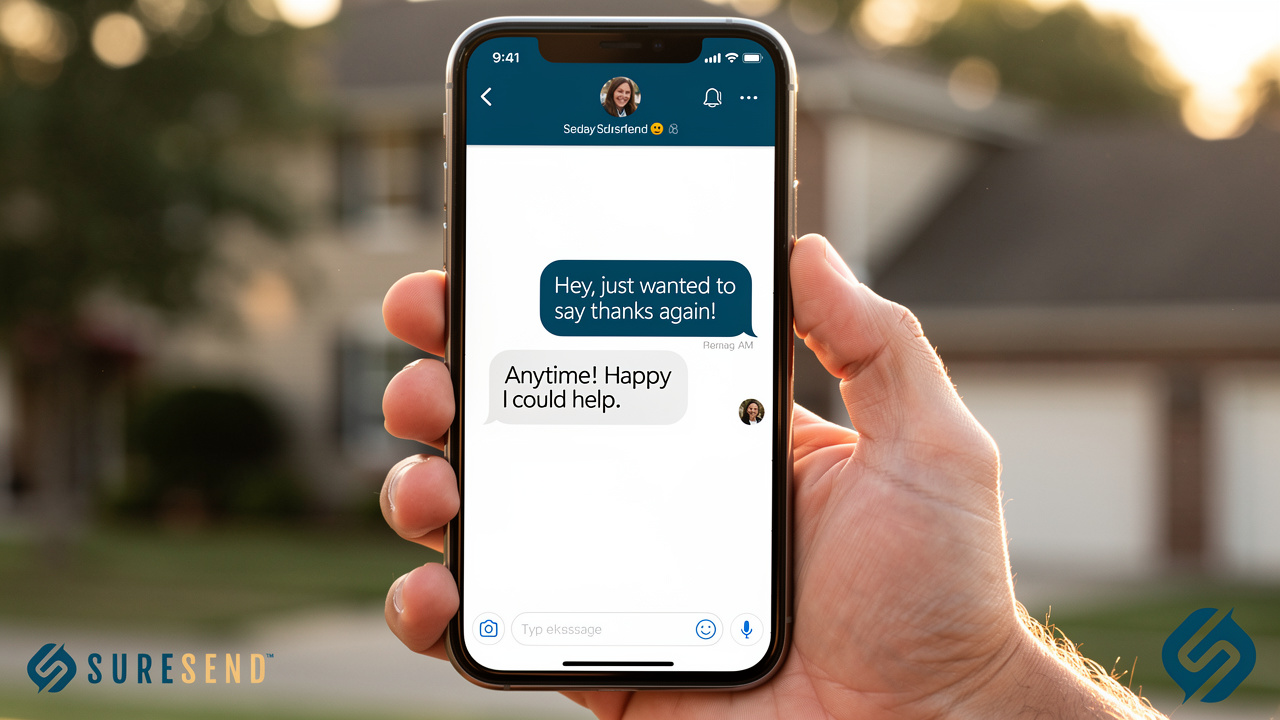
Each script below leans on a single memory rather than a long list of details, since too many facts at once can feel like you’re trying too hard to prove something. Pick the one detail that still sticks with you, whether that’s their kitchen remodel, something about their kids, or the exact month you handed them the keys to their first home.
Specificity beats generic warmth here because it signals you didn’t scroll through a spreadsheet and copy a template message to fifty names at once. A past client who hears you mention their old street address assumes you remember them as a person, not as a row in a database.
Phone: “Hi [Name], this is [Your Name], your agent from [address] back in [year]. I was thinking about your place the other day, no real reason, just wanted to see how you and the house are doing.”
Email: Subject line “Thinking about [address].” Body: “Hi [Name], it’s been a while since we closed on [address]. I noticed homes nearby have moved quite a bit since then, and it made me think of you. Want a quick read on what your place might be worth today?”
Text: “Hey [Name], it’s [Your Name] from the [address] days. Random thought, hope you and the family are doing well!”
What to Say When You Have a Market Reason to Reach Out

A market-driven reason removes the awkwardness around a reconnecting with old clients message you haven’t sent in years, because the news itself, not nostalgia, justifies the contact. Rate drops, rising home values, or a new listing on their old street give you a legitimate professional reason to pick up the phone, which sidesteps the fear that they’ll assume you only want their business. The trick is tying the market fact directly to their home or their specific area rather than sending a generic market update that could go to anyone. A message built around “homes on your street” or “rates just dropped to their lowest point this year” feels like a service, not a pitch, even after a long silence, a tone reflected in copy-paste re-engagement email templates built for exactly this kind of win-back outreach.
Scripts Built Around a Timely, Relevant Reason
These scripts work because the opener is the news itself, not an apology for the gap. That’s what separates this approach from the memory-based openers above; it’s built on timing, not shared history, so it still works even if your memory of the client has faded.
Use whichever market trigger is genuinely true right now, whether that’s a nearby comparable sale, a rate change, or fresh buyer demand in their building or subdivision.
Phone: “Hi [Name], it’s [Your Name]. A home two doors down from your old place just sold for [price], quite a bit above what it would have gone for a year or two ago. Thought you’d want to know.”
Email: Subject “Your Neighborhood Just Shifted.” Body: “Hi [Name], homes near [address/neighborhood] have moved noticeably in the last few months. Given what we sold yours for, I thought you’d want a quick, no-cost estimate of where it might land today.”
Text: “Hey [Name], saw a place near your old street just listed, reminded me of you. Curious if you’ve thought about what your home’s worth these days?”
What to Say When You Just Want to Restore the Relationship

Sometimes there’s no transaction detail or market hook handy, and you simply want to check in after a long gap and rebuild the relationship for its own sake, a scenario covered in depth in practical strategies to reconnect with old clients without the exchange feeling forced. This is the hardest scenario to get right, because it’s the easiest one to make sound generic or secretly salesy, especially once a year or two has passed and the specifics have faded. The fix isn’t a polished marketing message, it’s a short, honest note that reads like it came from a person, not a campaign. Acknowledge the silence plainly, skip the guilt, and ask one simple question that costs them nothing to answer.
Scripts for a Pure Relationship Check-In
Plain, slightly unpolished language outperforms a flawless paragraph in this scenario, because flawless reads as mass-produced while plain reads as personal. Keep these short enough that they could have been typed on a phone between errands, because that’s exactly the tone you want.
Say the gap out loud once, then drop it immediately and ask about them, not about your guilt over the silence.
Phone: “Hey [Name], it’s [Your Name]. Realized it’s been way too long since we talked, no particular reason for the call, just wanted to see how things are going with you.”
Email: “Hi [Name], it’s been a while, I know. No specific reason for reaching out, just thought of you recently and wanted to say hello. Hope things are going well on your end.”
Text: “Hey [Name], it’s [Your Name]. Been way too long, how are you?”
What Makes a Reconnection Opener Credible
A credible reconnection opener does four things in order: it names the gap briefly, leads with something relevant to the recipient, skips any sudden pitch, and closes with a question that takes no effort to answer. Skipping any one of these steps is usually what makes a message feel off, whether that’s an over-apology that turns the focus onto you, or a market update with no personal connection to the reader. These four rules apply whether you’re writing a text message scripts, drafting an email for reaching out after long silence, or leaving a quick voicemail. Once you understand the logic behind each rule, you can write your own variations instead of just copying scripts word for word.
The Four Rules Behind Every Good Opener
Treat these four rules as a checklist to run any draft message through before you hit send, rather than a rigid script you must follow line by line. A message that follows all four will almost always read as genuine, regardless of the exact words you use.
Rule one: Acknowledge the gap honestly in a single line, with zero extended apology attached to it.
Rule two: Lead with relevance, whether that’s a memory, a market fact, or genuine curiosity about them, never a listing pitch.
Rule three: Avoid a sudden sales ask in the first message; save any real business proposal for a second or third touch.
Rule four: Close with a low-pressure, easy-to-answer question, since “worth a quick call?” beats “let’s schedule a listing appointment” every time.
| Credible Opener | Tone-Deaf Opener |
|---|---|
| “Been a while, hope you and the family are doing well.” | “I’m so sorry I never called, I feel terrible, I’ve meant to reach out for years.” |
| “Homes on your old street just sold for more, thought you’d want to know.” | “We’re running a special this month, want to list your home?” |
| “No pressure, just curious how things are going.” | “Let’s set up a listing appointment this week.” |
How to Follow Up If You Don’t Hear Back
Silence after your first message is normal, not rejection, since research on last-minute reminder effects in online surveys found that additional follow-up touches meaningfully improve response rates compared to a single outreach attempt. The mistake most agents make is either giving up after message one or sending the exact same note again three days later, which reads as nagging rather than genuine interest. A short, follow up with leads each time is what actually produces a reply, especially once you’re reaching out after long silence that stretches past a year. Space your touches far enough apart that you don’t look impatient, but close enough together that the first message is still fresh in their mind.
A Simple Three-Touch Follow-Up Sequence
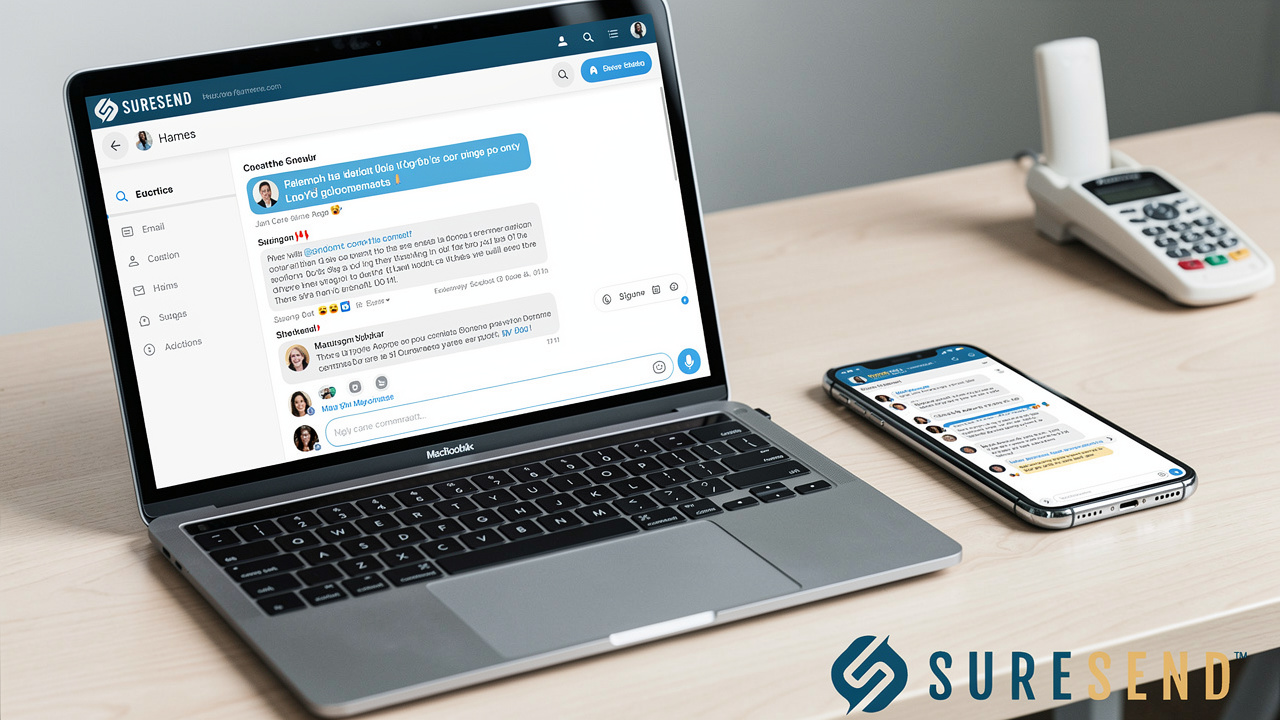
This sequence runs across roughly two weeks and changes its angle with each touch, moving from pure connection to relevance to a soft, time-bound offer. Stop after the third touch if there’s still no response, and move that contact into a slower, long-term nurture cadence instead of continuing to message them weekly.
Touch one, day one: Send the opener that matches your situation from the sections above, whether that’s memory, market, or a pure check-in.
Touch two, day four or five: Try a different angle, such as a recent comparable sale, a local market update, or a relevant neighborhood event.
Touch three, day ten to twelve: Send a soft, time-bound nudge, something like “happy to do a quick valuation this month if it’s helpful, no obligation either way.”
Mistakes That Kill a Reconnection Message
Over-apologizing is probably the single most common mistake, and it runs counter to findings from a randomised study on thank you messaging, which showed that warm, low-guilt gestures improve follow-up rather than apology-heavy framing. A past client doesn’t need to comfort you about a gap in contact; they need a reason to believe reaching back out benefits them, not a paragraph of self-criticism to wade through first.
Leading with a listing pitch or a discount is the second trap, and it confirms the exact fear many past clients already have, that you only reached out because you want something. Save any real ask for the second or third touch in your sequence, after the relationship itself has been reopened.
Waiting for the perfect moment or the perfect wording is a third mistake, and it’s really just delay wearing a professional mask. There is no ideal month or flawless sentence that makes reconnection easier; the actual risk is continuing to wait while the gap grows longer.
Sending the identical generic text to your entire database is the fourth common error, since it reads as mass-blasted rather than personal the moment two past clients compare notes. Giving up after one unanswered message instead of running a short follow-up sequence rounds out the list, and it quietly wastes most of the reconnection opportunity sitting in your contact list.
A short, honest message that names the gap once and asks one easy question will almost always outperform a polished paragraph built around an apology.
How Sure Send Makes Every Future Reconnection Easier
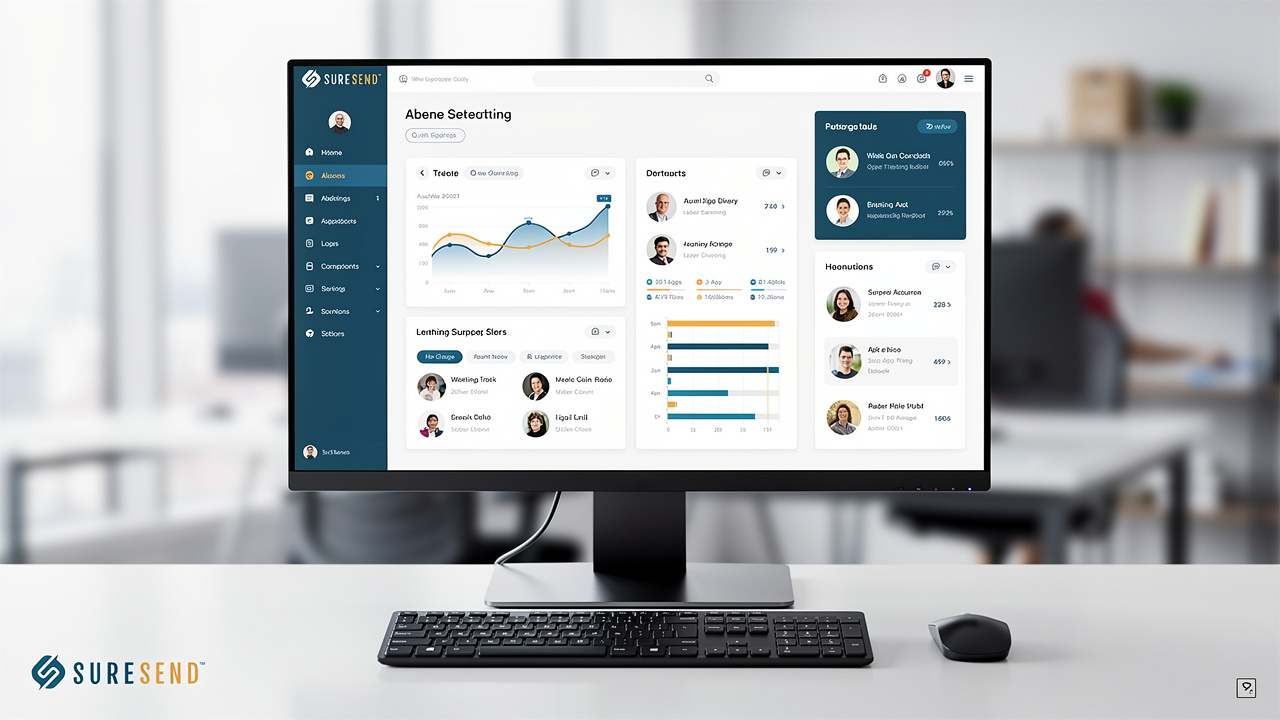
Sure Send is built so the next multi-year silence never has the chance to form in the first place, largely through its Take Action queue, which dormant past clients automatically instead of relying on an agent’s memory. Rather than scrolling an alphabetical list hoping to remember who’s gone quiet, the queue ranks contacts by engagement history and timing, so database reactivation strategy instead of staying buried for another year.
Because the platform keeps real estate database software and call transcription, outreach can reference a real prior detail, the exact kind of specificity covered in the memory-based scripts earlier in this guide, instead of a generic “just checking in” line. real estate crm features, triggering home-anniversary and birthday touches automatically so a client is never fully quiet for years at a stretch to begin with. follow-up email app also mirror the three-touch follow-up pattern described above, spacing email, text, and voicemail attempts without requiring a rep to track dates manually.
For an agent sitting on hundreds of dormant names, the Winning Formula dollar value of calls to lapsed contacts based on past conversion history, helping prioritize which ones are worth reconnecting with first instead of working the list top to bottom by guesswork. Research from the National Association of Realtors has found that most buyers say they’d use their agent again, yet only a small share actually do, a gap tied far more to lost contact than to dissatisfaction.
That gap is exactly the business case for real estate lead conversion rather than doing it once and hoping memory carries you through the next several years. Mortgage industry benchmarking from research firms like STRATMOR Group has suggested that a simple, easy follow-up process matters several times more for repeat business than a client simply liking their original agent or loan officer.
The Takeaway
Reconnecting after a long gap was never really about finding perfect words, it’s about matching your opener to what you actually know, whether that’s a shared memory, a market reason, or just the plain relationship itself. Acknowledge the gap briefly, lead with something relevant, skip the pitch until a later touch, and close with a question that’s easy to answer.
A system like Sure Send turns this from a one-time, slightly awkward message into a habit that keeps clients from ever going fully cold again. Pick one past client from your list today, choose the script that fits what you remember about them, and send it before the day ends.
Frequently Asked Questions
How Long Is Too Long to Wait Before Reconnecting with a Past Client?
There’s no real “too long.” Response rates to reconnection messages drop as time passes, but they stay meaningful even after two or more years of silence, since past clients rarely hold a grudge over a gap in contact. The actual cost isn’t the years already passed, it’s continuing to wait instead of sending something today.
Should I Call, Text, or Email a Past Client I Haven’t Spoken to in Years?
Text or email works best as a low-pressure first touch, while a phone call suits warmer, higher-value relationships where you’re confident the client will welcome hearing your voice. When possible, match the channel to however that client originally preferred to communicate with you, since old habits tend to still apply.
What If I Don’t Remember Any Details About the Past Client’s Transaction?
Use the pure relationship check-in script instead of forcing a fake memory, since false specificity is easy to spot and damages trust. An honest “it’s been a while, how are things going?” consistently outperforms a vague, invented detail that doesn’t quite land.
Is It Okay to Ask for a Referral in the Same Message?
It’s better to avoid combining a reconnection message with a referral ask in the very first note. Save referral or business requests for after they respond, once the relationship feels genuinely reopened rather than transactional from the first line.
How Many Past Clients Should I Reach Out to at Once?
Start with a manageable batch of five to ten contacts rather than messaging your entire database in one sitting. Prioritize by likely value or recency using a database segmentation, or let automated tools like the Take Action queue surface the strongest candidates first.

Written by