


Pre Call AI Summary for Real Estate: Actionable Intelligence Before Contact
Calling back a lead you barely remember wastes the first two minutes of every conversation. You ask questions you should already know the answer to, and the person on the other end can tell you’re starting from zero. A pre-call AI summary for real estate agents fixes this by pulling a contact’s full history into one short brief before the phone even rings, so you walk into the call already knowing who you’re talking to.
That brief gathers past notes, prior objections, property details, and financial signals, then hands you a short profile instead of a blank contact card. This article covers what feeds a pre-call summary, when it shows up inside your actual calling workflow (including while you work down a saved call list), and how it changes the way you prepare for a call. It also draws a clear line between this pre-call step and the call notes written after you hang up, since the two serve different purposes. Real estate teams juggle fresh leads and thousands of past clients, and most reps treat both the same way: cold. The sections below break down the mechanics so that habit stops costing you deals.
Key Takeaways
A pre-call AI summary for real estate agents does its job before the phone rings, pulling from stored history rather than recording a fresh conversation. Here’s what the rest of this article unpacks in detail.
Timing matters. Pre-call summaries live before the call, built from history, not generated from the call itself.
Data sources. Key facts, past notes, property data, and financial signals all feed a real pre-call brief.
Workflow placement. The brief surfaces inside the CRM contact record and inside call lists, with no separate tool to open.
Behavior shift. Agents move from reactive guessing to proactive, prepared conversations.
Database value. Reactivating a dormant database depends on this kind of context, not just chasing new leads.
What Is A Pre-Call AI Summary In Real Estate?
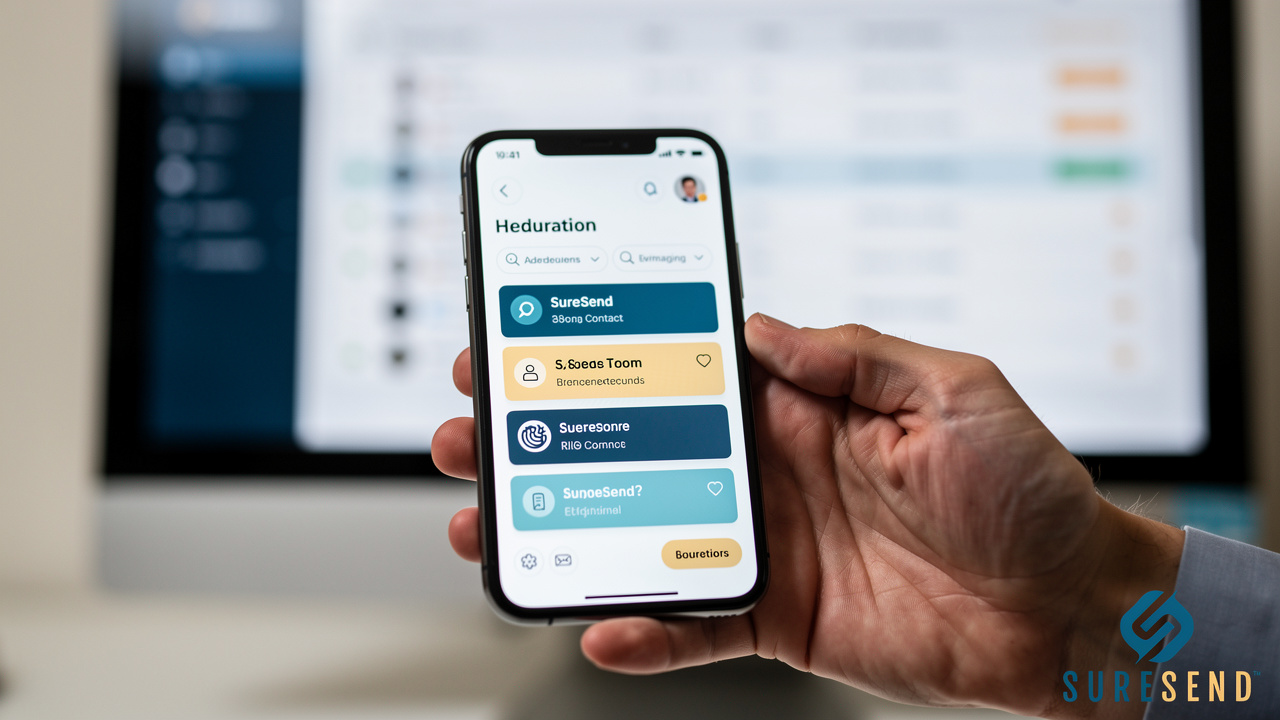
A pre-call AI summary in real estate is a short, automated brief an agent reads right before dialing a lead or a past client, built entirely from that contact’s own history inside the CRM. It answers the exact question a busy agent asks before a callback: what do I already know about this person, and what should I say first? The brief pulls together contact details, past notes, prior conversations, and any property or financial signals tied to that record, then presents them as one readable snapshot instead of a dozen scattered fields an agent would otherwise have to click through one at a time.
Unlike a lead score, which ranks how likely a contact is to convert, a pre-call summary does not judge the lead, it informs the conversation. Unlike a call transcript, it does not record what was said, it prepares what should be said next. This matters most in the minutes before a callback, when an agent has no time to scroll through a full activity log or reread six months of email threads looking for context.
A well-built summary condenses that history into a handful of lines covering who the contact is, what they have said before, and what will likely come up again. Agents using this kind of brief get up to speed on a lead’s history in seconds, not minutes, which matters since digitally savvy repeat buyers now screen agents online before making first contact. For database contacts rather than brand-new inquiries, this distinction carries even more weight, since there is usually months or years of stored detail sitting unused until someone finally decides to open the record and read it.
Pre-Call Summary Vs. Post-Call Notes: What’s The Difference?
A pre-call summary is the input you read before a conversation starts, while post-call notes are the output written after a conversation ends. Mixing the two up is the fastest way to undervalue both. The pre-call brief pulls from everything that happened in prior interactions to prepare an agent for the next one, while a post-call summary captures what just happened so it can feed tomorrow’s pre-call brief for the same contact.
Teams that treat these as one blended feature tend to skip the preparation step entirely and only ever look backward at what was recorded. That habit leaves agents dialing without a plan, then writing a note afterward that nobody reads again until the next call accidentally surfaces it. Keeping the two separated, one briefing you forward and one recording what occurred, keeps both pieces useful on their own.
What Information Does A Pre-Call Summary Pull Together?
A pre-call summary pulls together key facts, past notes, interaction history, and property or financial details into a single compiled view, so an agent never has to dig through separate records to rebuild context manually. At the center sits the basic contact record, name, phone, email, lead source, and current pipeline stage, but a useful brief goes well past those fields.
Key facts: how the contact first came into the database and what they said they wanted at that time.
Past notes: written by any agent who has ever spoken with that person, so a teammate picking up a contact mid-pipeline sees the same history the original agent had.
Interaction history: across calls, texts, emails, and chats, giving a full picture of how responsive the contact has been and which channel they actually use.
Property and financial enrichment: current estimated property value, equity position, how that equity has shifted since the last contact, and whether today’s rate environment creates a window worth mentioning.
A homeowner who bought three years ago at a much higher rate, and who has built meaningful equity since, looks like a completely different opportunity database reactivation of the agent instead of buried in a spreadsheet somewhere. None of this requires the agent to go searching. The brief compiles automatically the moment the contact record opens, with no manual digging required before the call starts.
Likely Questions And Objections The Summary Surfaces
A pre-call summary also anticipates what the contact is likely to ask or push back on, flagging recurring objections and open questions before the agent ever says hello. If a contact has previously said the price felt too high, raised concerns about timing, or asked the same question in two separate calls without getting a clear answer, the brief surfaces that pattern instead of letting it repeat as a surprise.
This anticipatory layer matters far more for database recall than for a brand-new lead with no history to draw from. A new inquiry gives you almost nothing to anticipate, but a contact who has called in three times over two years has left a trail of stated concerns an agent can prepare for directly. Reading that trail before dialing turns a repeat objection into something the agent already has a ready answer for.
When Does The Summary Appear In Your Calling Workflow?
A pre-call summary appears inside the CRM the moment an agent opens a contact record, with no separate tool, tab, or export required to see it. This timing is what actually makes the feature usable day to day, because any tool that requires an extra step to check before calling will eventually get skipped once the phone starts ringing.
In Sure Send, the brief sits directly on the contact’s profile, built from the same real estate CRM used to dial or send a message. For inbound calls, the system recognizes the incoming number and surfaces the matching brief instantly, so the agent has context loaded before they even answer. For outbound calls made from a planned list, the summary refreshes for each new contact as the agent moves down the queue, pulling whatever history exists for that specific record.
This timing difference matters because inbound and outbound calls carry different pressure. An inbound caller is already engaged and expects the agent to know something about them, while an outbound dial gives the agent a brief window to set the tone before the contact decides whether the call is worth their time. Either way, the brief shows up automatically rather than requiring the agent to remember to look it up, which removes the single biggest reason preparation tools get ignored under real call volume.
Working Through A Call List With Pre-Call Context

Working a dense call list is where pre-call context earns its keep, because an agent dialing fifty contacts in a session cannot reasonably hold fifty histories in their head. A buildable, savable, and resumable call list paired with a fresh brief for each contact means the agent never has to stop and reconstruct where they left off, even if the session gets interrupted by a meeting or a callback.
This pairing solves the practical problem of re-reading ten open tabs just to remember who’s next on the list. Instead of toggling between a spreadsheet, a CRM search bar, and old email threads, the agent sees one contact, one brief, dials, and moves to the next with the same information already loaded. That consistency is what lets a rep actually get through a full list without quality dropping on call forty compared to call five.
How Does A Pre-Call Summary Change The Way You Prepare For A Call?
A pre-call summary changes call preparation by replacing guesswork with a short, specific plan the agent can act on the second the contact picks up. Without it, most agents start a call reactively, asking generic opening questions and hoping the conversation reveals enough to work with. With a brief already read, the agent walks in proactively, already knowing the contact’s stated motivation, their last objection, and the property or financial detail most likely to matter right now.
This shift changes what the first thirty seconds of a call sound like. Instead of “so tell me what you’re looking for,” the agent can open with something specific, real estate text scripts, a concern they raised last time, or a rate change that affects their original plan. That single change signals preparation and respect for the contact’s time, which lines up with research showing consumers and businesses prefer voice for high-stakes conversations over text, email, or chat.
It’s worth being direct about what is actually driving the improvement here. This is not primarily a skills problem that better training fixes on its own, it’s a data problem, meaning the agent simply didn’t have the right information in front of them at the right moment. Give that same agent the context, and their existing skills suddenly have something to work with instead of nothing.
Why Context Beats Experience On The Phone
A newer agent with a full pre-call brief in front of them can out-perform a far more experienced rep who is dialing without any context at all, especially as survey data on voice calls shows how critical preparation is for high-stakes conversations, because experience alone doesn’t make up for walking into a conversation blind. Technique matters, but technique applied to the wrong assumption still produces a missed call or a wasted appointment.
This has a direct implication for motivated sales team. If one rep’s numbers lag, the first question shouldn’t automatically be about their script or their tone, it should be whether they actually had the contact’s history in front of them before they dialed. Fixing a data gap is often faster, and more reliable, than trying to coach a skill that was never really the problem.
Why Pre-Call Summaries Matter More For Your Existing Database Than New Leads
A pre-call summary matters more for an existing database than for new leads because database contacts come with years of stored signals that new inquiries simply don’t have yet, and most of that history sits unused until something surfaces it. A past client who bought five years ago, built real equity since, and now sits inside a rate environment favorable to a move, represents a live opportunity hiding inside a contact list most agents treat as closed business.
Trigger-based signals are what turn that static history into a reason to call today:
Equity changes that shift what a homeowner could walk away with.
Rate drops that reopen a conversation closed months ago.
Purchase anniversaries that naturally prompt a check-in call.
These flag contacts worth a call this week rather than contacts sitting untouched for another year. Without this kind of monitoring, identifying those same opportunities manually would take days of database segmentation, and most teams simply never get to it.
Timing decides who gets the business when a contact becomes ready to act. real estate CRM statistics roughly 76% of past buyers say they’d work with the same agent again, yet only about 12% actually do, and that gap usually comes down to who called first, not who did the better job originally.
A pre-call summary built on trigger data closes that gap by making sure your team reaches the contact before a competitor running the same kind of query happens to notice the same opportunity.
How Sure Send Builds The Pre-Call Brief Inside The CRM

Sure Send builds the pre-call brief directly into the contact record, combining key facts, notes, and interaction history into one unified view that an agent sees without opening a second tool or exporting anything. Before a call connects, the agent sees the information that matters: past notes left by any teammate, prior conversation history across calls, texts, and email, and a short readout of what questions or objections have come up before.
Layered on top of that record is property and financial enrichment pulled from current market data, though research on variation in property valuations conducted by AI shows these automated estimates can still differ depending on the model and inputs used, so a contact’s equity position or a shift in the rate environment shows up as part of the same brief rather than as a separate lookup. This is what turns a plain contact card into something closer to an opportunity assessment, built from real, current numbers rather than a guess based on when the file was last touched.
Smart Insights adds a layer on top of the raw brief by suggesting the next best action for a given contact, while Take Action Automation surfaces the day’s highest-priority contacts directly on the sales performance dashboards with the brief already attached. Instead of an agent deciding who to call based on gut feel or whoever emailed most recently, the system highlights the contacts where a trigger, like an equity change or a stale follow-up window, makes today the right day to reach out.
The practical result: an agent opens their dashboard, sees who needs a call today, opens that contact, and the brief is already there. No separate report, no manual cross-referencing between a spreadsheet and the CRM, just one place that already did the preparation work before the agent sat down to make calls.
What Mistakes Hurt Pre-Call Summary Adoption?

CRM adoption breaks down most often because of stale CRM data, meaning the brief itself is only as good as the notes and records feeding it, and a summary built on six-month-old information can do more harm than no summary at all. If agents aren’t logging calls, updating stages, or recording objections consistently, the brief quietly becomes inaccurate, and once a rep catches that inaccuracy once, then agents don’t use CRM.
The second common failure is friction in where the brief actually lives. If checking a pre-call summary means opening a separate tab, logging into another tool, or waiting on a report someone has to generate manually, most agents will skip it the moment call volume picks up. The habit only survives if reading the brief is faster than not reading it.
The fix for both problems is the same: keep the data flowing into one system and keep the brief inside the same screen the agent already uses to dial. When those two things are true, reading the summary before a call stops being an extra step and becomes just part of how the call happens.
The Takeaway
A pre-call AI summary sits before the call, not after it, built from a contact’s stored history rather than generated from the conversation that’s about to happen. Everything that matters, past notes, prior objections, property and financial signals, and trigger-based timing, needs to be sitting in front of an agent the moment they decide to dial, not scattered across five places they’d have to check first.
The real advantage isn’t just saving a few minutes per call, it’s reaching your own database before a competitor’s cold outreach beats you to a contact who was always yours to begin with. Sure Send builds this directly into the contact record and the daily call queue, so preparation stops depending on whether an agent remembered to look something up, and starts happening automatically every time the phone is about to ring.
Frequently Asked Questions
What’s The Difference Between A Pre-Call Summary And A Call Script?
A call script is generic text written in advance to use with any contact, while a pre-call summary is personalized to one specific person based on their own history. A script tells you what to say in general, a summary tells you what this exact contact has said, asked, and cared about before.
Does A Pre-Call Summary Work For Cold Leads With No History?
Yes, though the brief looks different with a thin history. Instead of past notes and prior objections, it leans on basic enrichment, lead source, stated interest, and available property or financial data, giving the agent a starting point even without a conversation history to draw from.
Can Agents Edit Or Add To The Pre-Call Brief Before A Call?
Agents can typically add notes and context to a contact record, and that information feeds directly into future briefs for the same person. This keeps the summary current, since anything an agent learns on today’s call becomes part of what the next agent sees before their own call.
How Far Back Does The Summary Pull Interaction History?
A well-built pre-call summary pulls from the entire contact record, not just the most recent touch. That includes historic notes, past calls, old objections, and prior property interest, so an agent sees the full relationship rather than only the last message exchanged.
Does The Pre-Call Summary Slow Down High-Volume Calling?
No, a properly built brief is designed to keep pace with volume calling rather than slow it down. Because it surfaces automatically inside the contact record with no extra navigation, an agent working through fifty calls in a session reads the brief in seconds per contact, not minutes.
Is A Pre-Call Summary Only Useful For Outbound Calls?
No, it applies to inbound calls just as directly. When a known number calls in, the system matches it to the existing contact record and surfaces the same brief instantly, so the agent answers already knowing who’s calling and why.

Written by