


The Right Time to Stop Following Up with Real Estate Prospects
Most agents handle an unresponsive lead one of two ways. They quit after a single unanswered text, or they chase every name in the database for years out of guilt. Neither habit actually tells you when to stop following up with a real estate lead, because neither one looks at real evidence. Deciding when to remove someone from a real estate follow-up sequence takes more than a gut feeling about who “seems” gone.
The pressure cuts both ways here. Give up too early, and you hand a paying client to the next agent who kept calling. Keep pushing blind, and you risk complaints, wasted hours, and a reputation for being pushy instead of helpful.
This guide breaks the decision into clear categories: explicit opt-outs, bad contact data, dead silence, hostile replies, and changed circumstances, so you can judge each lead on real signals instead of emotion. It also covers how a CRM like Sure Send tracks these signals automatically and shifts a lead into long-term nurture instead of deleting it outright. Keep reading to see exactly where your next quiet lead actually falls.
Key Takeaways
There is no universal touch count that applies to every lead. The right number depends on lead source, consent status, and how soon that prospect actually plans to transact, not a fixed formula an agent can memorize once.
Some signals demand an immediate stop, including legal opt-outs, Do Not Call requests, and hostile responses, while others only justify a slower, lighter cadence rather than full suppression.
Stopping active outreach is not the same as deleting a lead’s record. Keeping lawful relationship history matters for compliance and for future re-engagement.
A good CRM flags status changes automatically from engagement data, so agents aren’t left guessing who has actually gone quiet.
Dormant leads belong in long-term nurture, not off the pipeline entirely, since many of them come back to life months later.
What Does “Stop Following Up” Actually Mean?
Deciding when to remove someone from a real estate follow-up sequence rarely comes down to a single on-or-off switch. Stopping follow-up with a real estate lead actually means choosing among three distinct outcomes: continuing active outreach at the current pace, shifting the contact into a slower long-term nurture track, or fully suppressing contact because of a legal or explicit request. Most agents only picture that third option when they hear the phrase “stop following up,” which is exactly why so many good leads get written off too soon.
A lead who hasn’t answered a call in three weeks doesn’t belong in the same bucket as someone who texted back asking to be left alone. The first case usually calls for a lighter cadence, maybe a monthly market update instead of a weekly check-in, while the second calls for immediate, full suppression across every channel. Treating every quiet lead as a lost cause wastes relationships that are still alive, just on a longer timeline than the agent expected, while treating every clear “no” as a maybe wastes time and risks real complaints. The goal here is to sort leads into the correct one of these three buckets using evidence, not assumption, because guessing wrong costs something in both directions.
Why a Single Touch-Count Rule Fails
Agents constantly ask how how often to follow up they can stop following up with a real estate lead in good conscience, but industry data shows why that question misses the point entirely.
Research from BoomTown’s real estate lead conversion benchmarks found that only 8% of prospects convert within the first 30 days, meaning 92% of deals need a longer runway than most agents expect. Separate research from InsideSales.com found that half of non-essential sales, home purchases included, convert to an active buyer/seller after the fifth contact attempt.
Industry data on cold call conversion rates shows outcomes vary widely by industry and context, which is part of why touch count alone can’t tell you when to stop, since the number that matters changes with lead source, what the prospect agreed to at intake, how they’re responding, and how soon they actually plan to transact. This variation lines up with cold calling statistics by industry, which find conversion rates ranging from roughly 1.5% to 6% depending on sector, meaning a referral gone quiet for two weeks means something different than a cold web form gone quiet for the same two weeks. The right stopping point is a judgment built from several signals together, not a countdown.
When a Lead Explicitly Opts Out
An explicit opt-out is the clearest opt-out and disengagement signal an agent will ever see, and it tells you to stop following up with a real estate lead right away, no grace period required. This covers a prospect clicking unsubscribe on an email, replying “stop” or “please stop texting me,” or telling an agent directly on a call that they no longer want contact. Once that request lands, continuing outreach through that channel stops being a judgment call and becomes a compliance matter, because most opt-out requests carry real weight even when they’re informal.
The mistake many agents make is waiting a few more days “just to be sure” or assuming the prospect will cool off, but a direct request to stop deserves immediate honoring, not a second guess. It’s also worth separating a channel-specific opt-out from a full relationship opt-out, since these aren’t the same thing at all:
A lead who unsubscribes from a monthly email newsletter has only withdrawn consent for that one channel; they may still welcome a phone call or a text, depending on what they originally agreed to.
A lead who says “please don’t contact me again in any way” has closed every channel at once, and an agent who keeps texting because the opt-out only mentioned email is technically following the letter of the rule while missing the point completely.
Good practice treats every opt-out as narrowly as the prospect defined it, never narrower. If there’s any ambiguity about whether a request covers one channel or all of them, the safer move is a short, respectful clarifying question rather than guessing in favor of continued contact. Getting this wrong doesn’t just cost a transaction, it can generate a formal complaint or a negative review, both of which cost more than any single lead was worth.
Do Not Call Registry and TCPA Compliance Signals
The national Do Not Call registry and the TCPA cold calling compliance as TCPA, add a legal layer on top of ordinary courtesy. Being on the Do Not Call list restricts certain sales calls regardless of prior contact history, and an internal request to stop calling must be honored immediately, whether or not that number ever appears on the federal registry.
What matters most day to day is the consent captured at lead intake, meaning where the lead came from, what they agreed to, and which channels they approved. That consent record determines which channels stay legally usable later, which is exactly why a CRM that stores consent details at the point of entry becomes so valuable when an agent has to decide, months down the road, whether a call or text is still appropriate.
When Contact Information Is Invalid or Dead
Bad data is a different problem from disinterest, and it deserves its own category before an agent decides to stop following up with a real estate lead. The clearest signals include:
An email that bounces back permanently
A phone number that comes back disconnected
Physical mail returned as undeliverable
Repeated replies from someone saying they’re the wrong person
These are data problems, not rejection, and treating them the same way wastes an opportunity that might still be recoverable through a different channel.
A phone number that no longer works doesn’t mean the entire lead is dead, it means one channel is dead. The lead might still have a working email address, a different number captured earlier in the funnel, or a social profile an agent can message through instead. Declaring the whole relationship over because one contact field broke throws away information that’s still useful.
Before fully pausing contact on a lead with clean a real estate database, it’s worth trying every alternate path on file, a secondary number, a work email, even a mailing address for a short handwritten note. Only after every known channel fails does it make sense to mark that lead dormant rather than actively worked.
How Many Unanswered Touches Signal a Truly Unresponsive Lead?
There’s no single number of unanswered touches that universally tells an agent when to stop following up with a real estate lead, because total attempts only matter alongside channel diversity, time elapsed, and the quality of whatever responses did come through. An unresponsive lead threshold should weigh four things together rather than counting calls in isolation:
How many total attempts went out
Across how many different channels
Over what stretch of time
Whether any attempt produced even a partial reply
This mirrors broader sales funnel statistics showing that multi-channel engagement consistently outperforms single-channel outreach, so a lead who ignored five calls but never saw a single text or email hasn’t been fully tested yet, since phone may simply not be their channel of choice. A lead reached by call, text, and email repeatedly across six to eight weeks, without so much as a one-word reply, is a far stronger case for reduced intensity than someone tried twice through one method.
Lead source changes this threshold considerably too. A paid pay-per-click lead who goes quiet for two weeks right after an immediate first response is behaving fairly normally for that source, since PPC leads are often early-stage browsers with no urgency yet. A personal referral who goes quiet for the same two weeks reads very differently, because referrals usually arrive warmer from the start, so silence there deserves a closer look rather than an automatic write-off.
The practical approach treats touch count as one input among several rather than the deciding factor on its own. An agent tracking attempts, channels tried, elapsed time, and response quality side by side will make a far more accurate call than one who simply counts to some arbitrary number and quits, which is also where most manual tracking quietly breaks down.
Reading the Difference Between “Quiet” and “Gone”
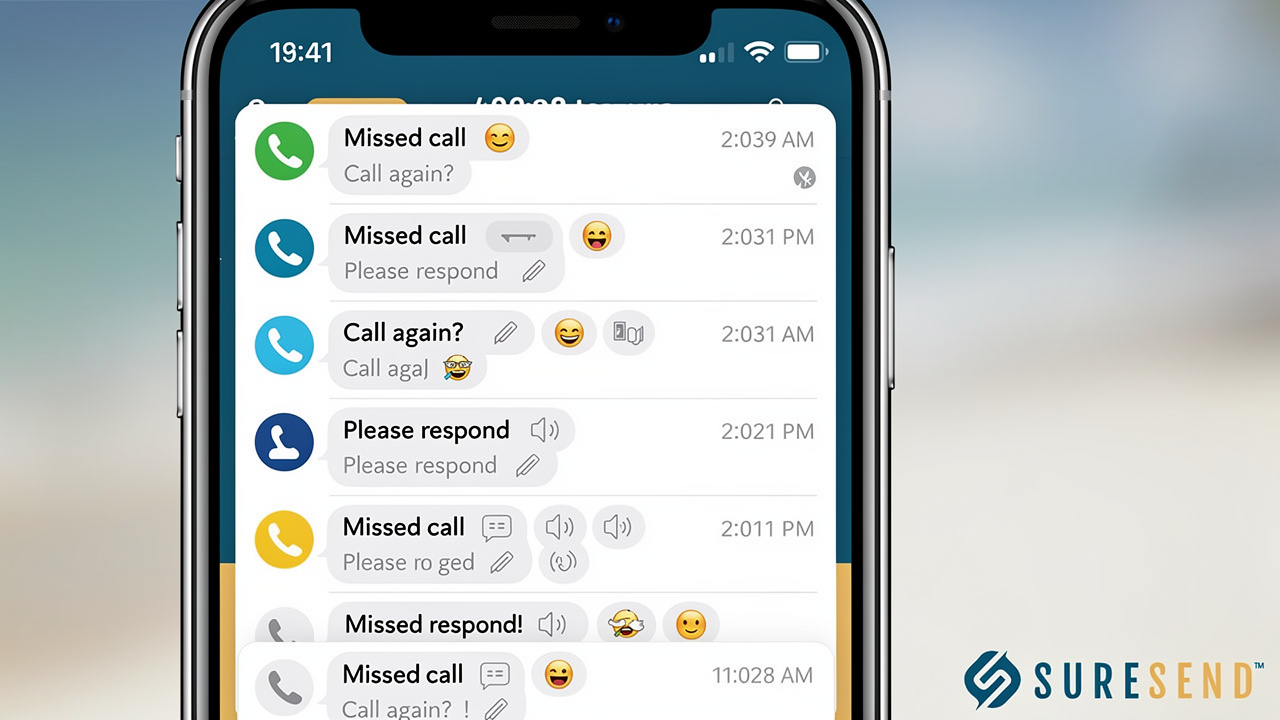
Certain behavioral markers separate a lead that’s simply slow from one that’s genuinely gone. Short, curt replies where a prospect once wrote full sentences, response gaps stretching from hours to multiple weeks, and total silence across every channel tried are objective signs worth tracking rather than a feeling.
What matters is the pattern, not a single data point. One unanswered call during a busy week or a delayed reply during a known life event doesn’t mean a lead has gone cold. Only a documented pattern across several attempts and multiple weeks justifies calling a lead genuinely unresponsive and shifting them to a lighter cadence.
When Hostile or Negative Responses Mean Stop Immediately

Hostility is a different signal entirely from simple disinterest, and it calls for instant disengagement rather than a reduced cadence. An angry reply, a threat to report the agent to a broker or licensing board, or a complaint filed with the brokerage all cross a clear line that a plain “not interested” never does. Simple rejection still deserves a brief, respectful acknowledgment and a shift to minimal contact, but hostility deserves a full stop with no further outreach at all.
Continuing contact after a hostile response creates real business risk beyond losing one deal. It risks a formal complaint, a damaging public review, and in serious cases legal exposure, none of which is worth whatever commission that single lead might have generated.
When Changed Circumstances Justify Pausing, Not Quitting
Not every pause in communication means a lead has lost interest in buying or selling. Life events like a job loss, financing falling through at the last minute, a family emergency, or a shift in market timing can stop a transaction cold without ending the relationship behind it. These leads usually still want to transact, just later than planned, and treating them like a dead lead throws away a deal that simply needs more time.
The right move with a changed-circumstance lead is scheduling check-ins at a sensible interval, rather than dropping them completely or continuing weekly calls that start to feel out of touch given what they’re going through. A buyer whose financing fell through might be ready again in three to six months once their situation resolves, so a light touch every month or two respects their timeline while keeping the agent visible.
This category also deserves a note in the CRM explaining why contact slowed, so whoever follows up next, including the same agent six months later, understands the context instead of restarting the relationship from zero.
How Lead Source and Transaction Horizon Change the Decision
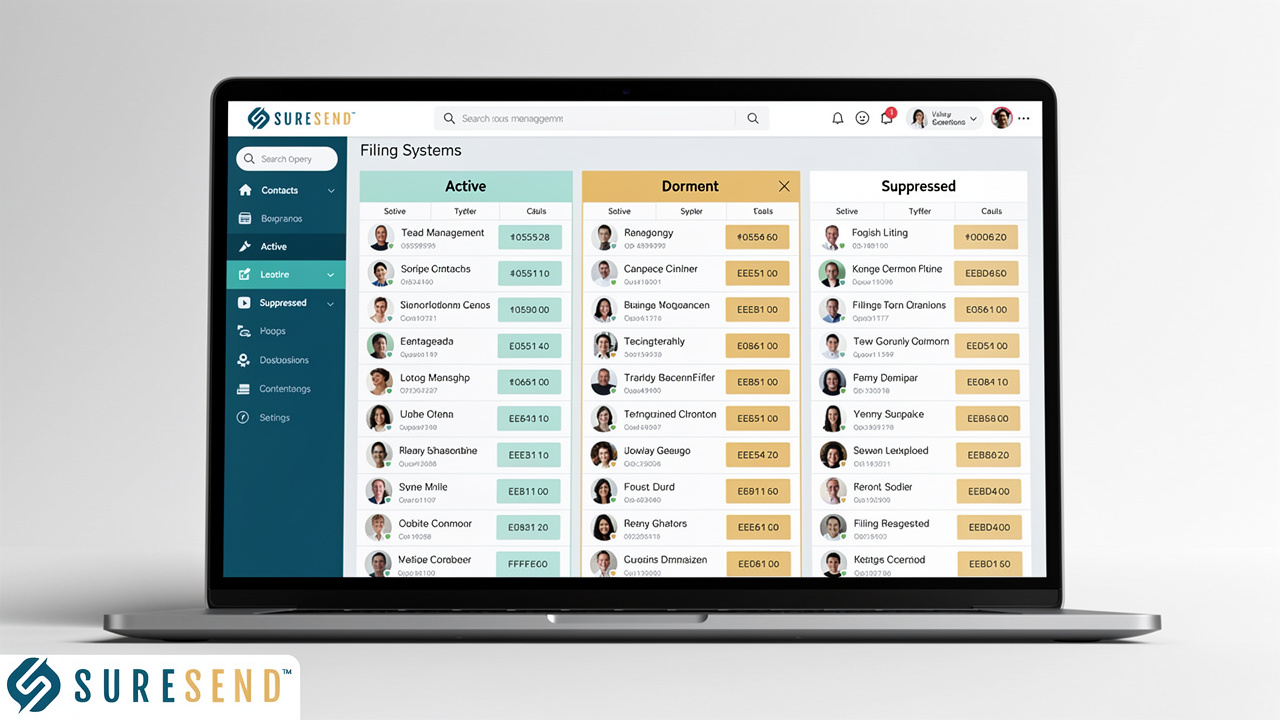
Database segmentation changes how much silence an agent should tolerate before pulling back. That patience is well-founded, since research shows that 41% of an agent’s business comes from past clients, so a past client from an agent’s sphere of influence deserves close to unlimited patience given that the relationship already exists and staying in touch costs very little. A referral from a trusted source warrants more patience than a stranger who filled out a pay-per-click ad, because referrals arrive with a built-in layer of trust an open-house sign-in simply hasn’t earned yet.
Transaction horizon matters just as much as source. A buyer who says they need to move in 30 days and then goes quiet for a week is a bigger concern than someone exploring a purchase sometime next year and going quiet for the same week. The shorter the stated timeline, the less silence an agent should tolerate before checking in again.
Combining source and horizon gives a far more accurate read than either factor alone, which is exactly why a rigid, one-size cadence struggles across an entire pipeline.
| Lead Source | Reasonable Silence Before Re-Evaluating |
|---|---|
| Past client or sphere of influence | Several months, stays in long-term nurture indefinitely |
| Referral | Four to six weeks before a direct check-in |
| Online or PPC inquiry | Two to three weeks, typical for early browsers |
| Open-house sign-in | Two to four weeks, unless there’s zero response at all |
How Sure Send Helps You Decide Without Guessing

Sure Send, an AI-native CRM and mortgage workflows, was designed specifically to remove the guesswork from deciding when to stop following up with a real estate lead. Instead of relying on memory or a feeling about who’s gone cold, its AI Lead Scoring studies patterns across past wins, losses, website activity, and engagement history to continuously score every contact, so an agent can see objectively which leads are still worth active effort and which have genuinely stalled.
Contact Engagement Tracking adds hard evidence on top of that score, displaying last contact date, the channel used, and response rates for every lead in the pipeline, turning “I think they’ve gone quiet” into a documented fact an agent and a sales manager can both see. Rather than forcing an agent to manually pick the exact day to give up, Take Action Automation weekly activity plan based on real engagement and timing data, not an alphabetical list or a stale calendar reminder, so leads earn their place on the call sheet through behavior rather than habit.
Automated Drip Campaigns work alongside this by shifting a lead from high-touch active outreach into a slower, lead nurturing tools once engagement data signals reduced interest, handling the step-down in cadence instead of leaving it to an agent’s memory on a busy day. This tiered structure means most leads never actually require a full stop, they simply move to a lighter rhythm suited to where they sit today, while the agent’s limited time stays focused on contacts the data says are genuinely still in motion. For CRM for sales managers pipeline, this same scoring and tracking gives visibility into whether reps are abandoning viable leads too early or chasing contacts that should have moved to nurture weeks ago.
Suppression, Consent Records, and Automatic Re-Engagement
The platform’s visibility into last contact date, method, and response rate gives agents the evidence base needed to justify pausing outreach on a specific lead, rather than guessing. When that evidence shows a documented pattern of silence across multiple channels and weeks, moving a contact to suppressed or dormant status becomes a defensible, data-backed decision instead of an emotional one.
Trigger-Based Outreach then handles the other half of the equation, automatically database reactivation on an agent’s dashboard the moment a real signal appears, a listing view, a saved search, or a meaningful equity change in a property they once looked at. This prevents the common mistake of writing off a quiet lead permanently, while still avoiding the trap of pinging them weekly with nothing new to say.
Why Stopping Outreach Doesn’t Mean Deleting the Lead
Choosing to stop active, high-frequency follow-up with a real estate lead is never the same decision as deleting that person’s record. Lawful relationship history, including every prior conversation, consent detail, and transaction note, still has value long after active pursuit ends, so the better move is shifting a contact to quarterly or annual soft-touch nurture rather than purging them from the database entirely.
This distinction matters most with best CRM for referrals, the group agents are most likely to accidentally drop simply because they aren’t actively house hunting right now. Research from the National Association of Realtors on repeat and referral business has found that 76% of past clients say they’d use their agent again, yet only 12% actually do, a gap largely explained by agents going silent after closing rather than by over-contacting anyone.
The bigger risk in most real estate businesses isn’t lingering too long with an active lead, it’s going quiet on people who already trust the agent and would gladly come back if a simple market update ever reached them again.
The Takeaway
Deciding when to stop following up with a real estate lead was never going to come down to one clean number, and treating it that way is exactly how agents either abandon good deals or burn hours chasing dead ones. The real decision runs through several layers, legal opt-outs and Do Not Call status, data quality, genuine engagement patterns, and the circumstances behind a prospect’s silence, each one pointing toward a different response rather than a single blanket rule.
Building a system, whether that’s a disciplined manual process or a CRM that actually works these signals automatically, turns this decision from a daily guessing game into a consistent, defensible part of running a real estate business. Get the framework right once, and every future quiet lead sorts itself into the correct bucket without the guesswork.
Frequently Asked Questions
Can a real estate lead be re-engaged after being marked unresponsive?
Yes. Unresponsive is a status, not a permanent label, and a new signal such as a life event, a market shift, or an inbound inquiry can justify reopening active outreach. Many agents keep these contacts in light, automated nurture specifically so a fresh signal can pull them back into an active sequence without starting the relationship over.
Does state law affect how long you can keep contacting a real estate lead?
Yes, state-level telemarketing and texting laws vary and can be stricter than federal TCPA or Do Not Call rules. Agents should confirm their specific state’s requirements and keep documented consent on file before resuming contact with any lead that’s gone quiet for an extended period.
Should you remove a cold lead from your CRM entirely?
Generally no, not if lawful consent exists on file. Moving the lead to a suppressed or dormant status preserves the relationship history for compliance and future re-engagement, while full deletion erases context a later agent or the same agent might need months down the road.
How do you tell the difference between a busy lead and a disinterested one?
Look at the pattern, not a single instance. One missed reply during a busy week isn’t disinterest, but a consistent gap stretching across multiple weeks and every channel tried is a much stronger signal that the lead has genuinely stopped engaging rather than simply gotten distracted.
What should an agent say when sunsetting a lead into long-term nurture?
Keep it low pressure. Acknowledge the reduced contact frequency while confirming you’re still available, framed as an added benefit like occasional market updates rather than an ultimatum. This keeps the door open without implying the prospect did anything wrong by going quiet.
Is it ever appropriate to ask a lead directly if they want to stop hearing from you?
Yes, this is a legitimate and respectful tactic once a lead has gone quiet for a defined stretch of time. A short, direct question either confirms disinterest, closing the loop cleanly, or reopens a conversation that silence alone never would have restarted.